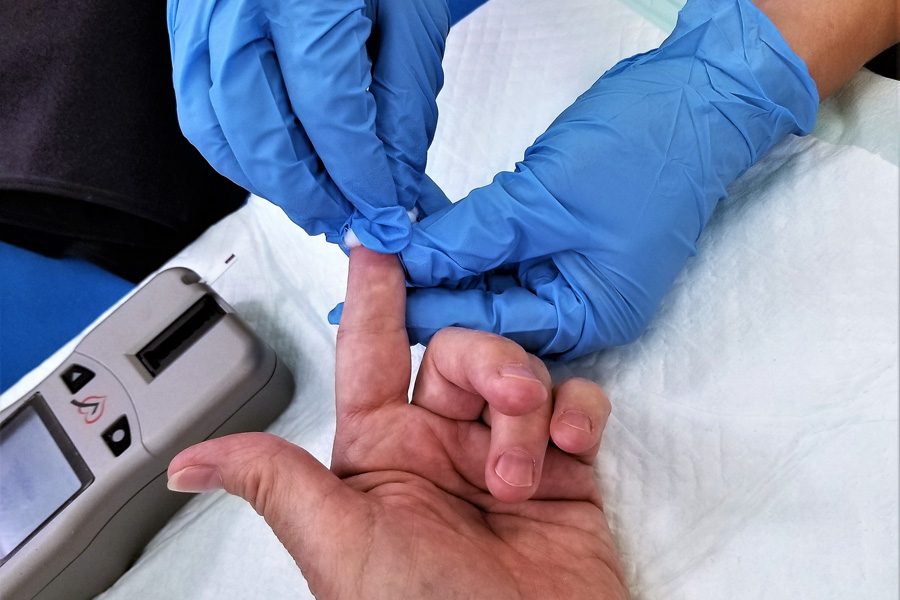
Laboratory Staff Competency Assessment
February 24, 2026
Toxicology Testing for Pain Management Clinics
April 23, 2026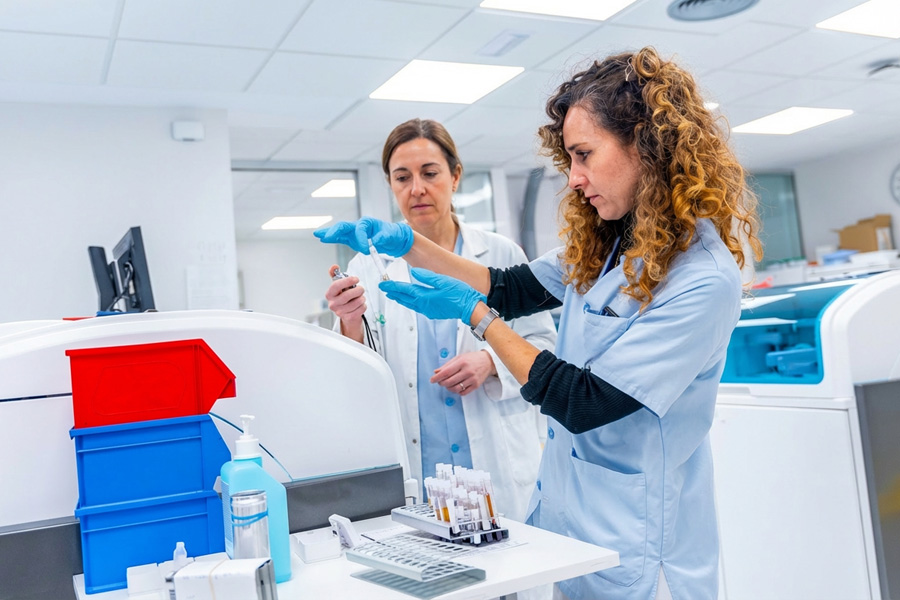
Practical Workflow Strategies That Deliver Faster Results and Stronger Compliance
When your laboratory turnaround falls behind, stress levels rise. Clinicians call to check on results. Patients wait longer for diagnoses. Referring physicians start looking at other laboratories.
The situation usually gets worse before it gets better. Laboratory staff spends so much time fielding complaints, they fall further behind.
The instinct is often to solve the problem with new equipment. A faster analyzer, a higher-throughput platform, a bigger instrument. But when you stop to think about the situation, to really examine it, many time delays don’t come from the analytical phase at all.
Research consistently shows that the pre-analytical and post-analytical phases account for the majority of total turnaround time, often 70 percent or more. That means that specimen handling, labeling, transport, manual data entry, and result reporting are often the real bottlenecks.
That means significant improvements are achievable through process changes, LIS configuration, staffing adjustments, and lean methodology principles.
At Laboratory Management Consultants, we’ve helped laboratories across the country identify and eliminate these hidden bottlenecks. This article walks through six practical strategies you can implement to reduce turnaround time, improve clinician satisfaction, and strengthen your operational performance.
1. Redesign Your Specimen Workflow
Where the Delays Actually Live
Before specimens hit the analyzer, they pass through a series of steps: collection, labeling, transport, accessioning, centrifugation, and aliquoting. Each step introduces potential delays. It’s well known that the pre-analytical phase alone can consume more than half of total turnaround time, with transport delays being a primary contributor.
Start by mapping your current specimen flow from collection to analysis. Time each step. You’ll likely discover that the analytical phase, the actual testing, takes a fraction of the total time. The rest is handling and movement.
Practical improvements include consolidating collection and processing areas to minimize transport distances, standardizing specimen labeling with pre-printed barcoded labels rather than handwritten requisitions, establishing clear specimen priority protocols so STAT samples move through the workflow without delay, and scheduling batch collection windows strategically to reduce specimens sitting idle during peak periods.
These changes often cost nothing beyond staff time to implement, yet they can reduce pre-analytical turnaround time substantially.
LMC’s periodic site visits are designed to identify exactly these kinds of workflow inefficiencies through direct observation of your laboratory’s daily operations.
2. Optimize Your LIS and Middleware Configuration
Autoverification: The Biggest TAT Win You May Not Be Using
If your laboratory staff manually review and release every test result, you’re leaving one of the most effective turnaround time improvements on the table. Autoverification uses predefined rules within your Laboratory Information System or middleware to automatically validate and release results that fall within acceptable parameters. Results that fall outside those parameters are flagged for manual review.
Published studies show that properly configured autoverification systems can automatically release 40 to 95 percent of routine chemistry results, with turnaround time reductions of 30 percent or more. One study demonstrated a reduction from 126 minutes to 78 minutes, a 38 percent improvement, simply by implementing rule-based autoverification for HBV serological markers.
Error rates actually decreased compared to manual verification, because the rules apply consistently to every result.
Beyond autoverification, other LIS optimizations that reduce turnaround time include implementing barcode-based specimen tracking to eliminate manual data entry errors and delays, configuring automatic result routing so completed tests transmit directly to clinician interfaces or patient portals, setting up reflex testing rules that automatically trigger follow-up tests based on initial results, and establishing real-time dashboards that alert staff when specimens exceed target turnaround times.
LMC’s consulting services include LIS integration support, working with your existing system and staff to build rules that match your test menu, patient population, and quality control requirements.
3. Improve Staffing and Scheduling Alignment
Match Your Workforce to Your Workload
Staffing shortages are a reality for most laboratories. But even with limited staff, scheduling adjustments often improve turnaround time. The key is matching staff availability with specimen volume patterns. Fixed schedules may not reflect actual demand.
Analyze your specimen receipt patterns by hour and day of week. Most laboratories see predictable volume peaks, such as morning collection rounds, post-clinic hours, or emergency department surges. If your staffing remains flat while volume spikes, specimens queue up and turnaround time stretches.
Consider staggering shift start times so that maximum staffing coincides with peak volume periods. Cross-train technicians across multiple departments so staff can shift to where the workload demands attention. Designate specific personnel for specimen processing during high-volume windows to prevent bottlenecks at the front end of the workflow.
Investing in staff development pays dividends beyond scheduling flexibility. Well-trained technicians process specimens faster, troubleshoot problems more efficiently, and produce fewer errors that require retesting.
LMC provides staffing consultation and competency program development that helps laboratories build more capable, adaptable teams.
4. Apply Lean Laboratory Principles
Eliminate Waste to Find Speed
Lean methodology, adapted from manufacturing, focuses on maximizing value by eliminating waste.
In a laboratory context, waste includes unnecessary movement, waiting, overprocessing, defects requiring rework, and any activity that does not directly contribute to delivering accurate results to clinicians.
A 2024 systematic review in PLOS ONE found that lean implementation in clinical laboratories consistently reduced turnaround times, with some facilities achieving reductions of 20 percent or more through process redesign alone.
Start with a value stream map of your testing process.
Document every step from test order to result delivery, noting how much time each step takes and whether it adds value from the clinician’s perspective. Non-value-added activities like redundant data entry, unnecessary specimen handling steps, and excessive manual documentation are candidates for elimination or automation.
Common lean improvements in laboratories include reorganizing workstations to reduce walking and reaching distances between related equipment, implementing visual management systems such as color-coded specimen trays and status boards so anyone can see workflow status at a glance, standardizing procedures across shifts so that testing processes run the same way regardless of who is working, and conducting regular brief team huddles to identify and resolve emerging bottlenecks before they accumulate.
LMC’s operational consulting brings lean methodology directly to your bench. We observe your workflow, identify waste, and help implement changes that your team can sustain long-term.
5. Streamline Quality Control Without Compromising Compliance
Smarter QC, Not Less QC
How you perform QC can either support or hinder your turnaround time. Laboratories that run QC inefficiently lose valuable time every day.
Review your QC scheduling to align control runs with natural workflow breaks rather than peak patient testing periods. Evaluate whether your current QC frequency exceeds regulatory requirements without providing additional clinical value. CLIA and accrediting bodies set minimum standards, and exceeding them may not improve quality if your system is already performing well.
Leverage your LIS to automate QC review and generate Levey-Jennings charts electronically. Automated QC monitoring can flag trends and shifts in real time, allowing staff to address potential problems before they cause test failures and retesting.
This proactive approach saves the time lost when a failed QC event forces you to repeat an entire batch of patient specimens.
LMC’s customized policy and procedure manuals include QC protocols tailored to your specific instruments and test menu, ensuring compliance while maximizing efficiency.
6. Measure, Benchmark, and Sustain Your Improvements
What Gets Measured Gets Improved
Turnaround time improvement without measurement is guesswork. Establish clear TAT benchmarks for each test category and each phase of the testing process, pre-analytical, analytical, and post-analytical, so you can identify exactly where delays occur.
Track TAT data continuously, not just during preparation for inspections. Use your LIS to generate automated reports showing median and 90th percentile turnaround times by test, by shift, and by day of week.
This granular data reveals the patterns you need to see. A College of American Pathologists Q-Probes study noted that pre-analytical turnaround time tends to increase during the day, often due to transport and collection delays.
Set realistic improvement targets and review progress monthly. Share TAT data with your team so everyone understands how their work contributes to overall performance. Laboratories that make turnaround time visible to staff consistently outperform those that treat it as a management-only metric.
When your TAT data demonstrates consistent performance, it becomes a powerful asset during accreditation surveys. Surveyors from CAP, COLA, and CMS all appreciate seeing laboratories with documented quality indicators and evidence of continuous improvement.
LMC’s compliance consulting helps you build the monitoring systems that keep your laboratory inspection-ready while driving genuine operational gains.
Frequently Asked Questions
What is laboratory turnaround time?
Turnaround time (TAT) is the elapsed time from when a specimen is received in the laboratory to when the final result is reported. Some laboratories measure total TAT from the moment a test is ordered to when the clinician receives the result, which provides a more comprehensive picture of performance.
Where do most turnaround time delays occur?
Research consistently shows that the majority of turnaround time (often 70 percent or more) is spent in the pre-analytical phase (specimen collection, labeling, transport, and accessioning) and the post-analytical phase (result verification, reporting, and delivery). The analytical phase, where the actual testing occurs, accounts for a relatively small portion of total time.
Can I improve turnaround time without purchasing new equipment?
Yes. Because most delays occur outside the analytical phase, significant improvements are achievable through workflow redesign, LIS optimization, autoverification implementation, staffing adjustments, lean methodology, and quality control streamlining. These process-driven changes often deliver greater turnaround time reductions than equipment upgrades alone.
What is autoverification and how much time does it save?
Autoverification uses computer-based rules in your LIS or middleware to automatically validate and release test results that meet predefined criteria. Published studies report that 40 to 95 percent of routine results can be autoverified, with turnaround time reductions of 30 percent or more. It also reduces errors compared to manual verification.
How does Laboratory Management Consultants help with turnaround time improvement?
LMC provides hands-on operational consulting that includes workflow assessment during periodic site visits, LIS integration and autoverification setup support, staffing consultation, customized policy and procedure development, and lean process implementation. We work directly with your team to identify bottlenecks and implement sustainable improvements.
Faster Results Start with Smarter Processes
Turnaround time is one of the most visible measures of your laboratory’s performance. Clinicians, patients, and surveyors all use it to evaluate how well your laboratory delivers on its core mission. The good news is that the most impactful improvements don’t require capital expenditures. They require a clear understanding of where your time is going and a systematic approach to reclaiming it.
Laboratory Management Consultants specializes in helping laboratories find and fix the operational inefficiencies that slow turnaround time. From specimen workflow redesign to LIS optimization, from staffing strategies to lean implementation, we bring practical expertise that translates directly into faster results, stronger compliance, and more satisfied clinicians.
Contact Laboratory Management Consultants today at (606) 487-0523 or email tpace@emaillmc.com to schedule a free operational assessment.
Visit us online at https://laboratorymanagementconsultants.org to learn more about our comprehensive laboratory support services.
Don’t wait for a clinician complaint or an inspection finding to address turnaround time. With the right process improvements in place, your laboratory can deliver faster results while maintaining the accuracy and compliance your patients and referral partners depend on.
Related Resources from LMC:









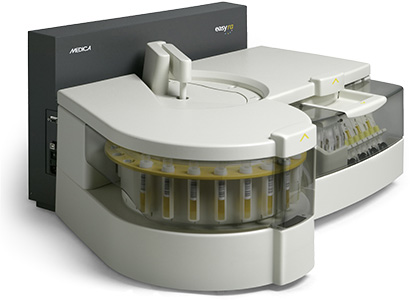
Medica EasyRA
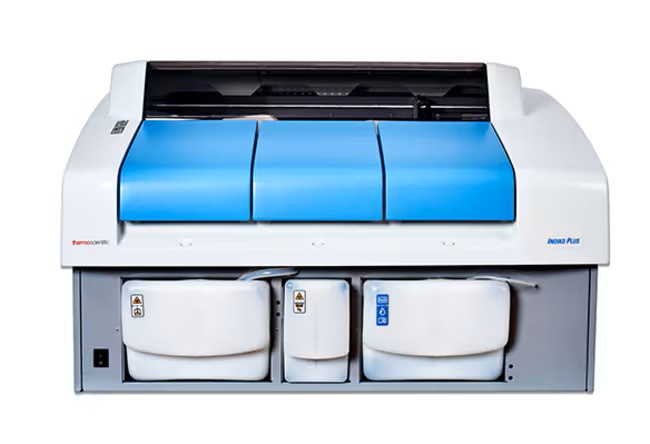
Thermo Fisher Indiko Plus
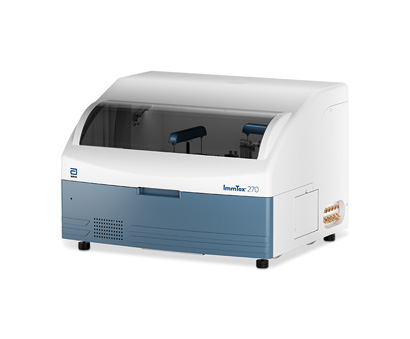
Abbott ImmTox 270
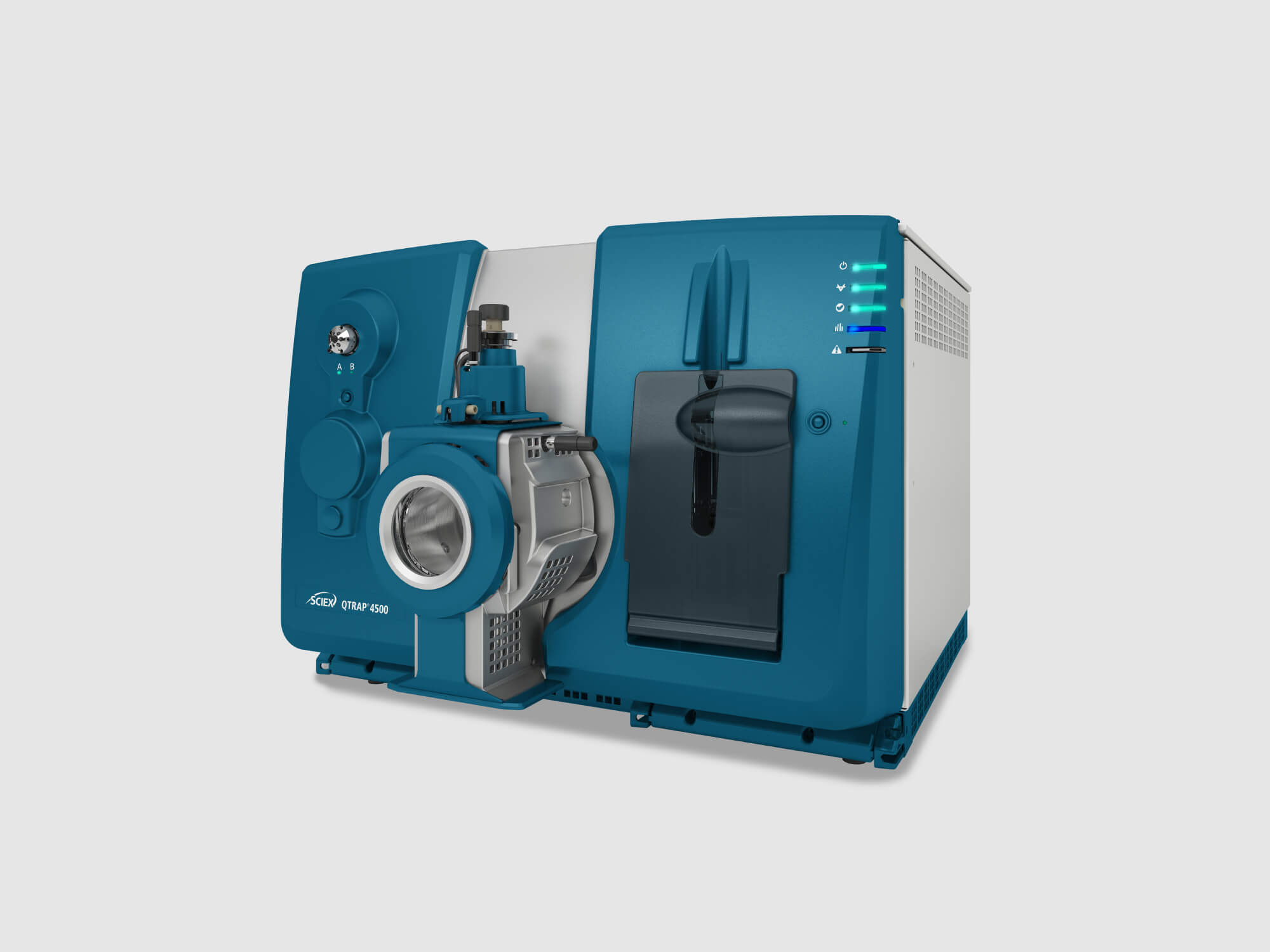
The 3200 QTRAP system
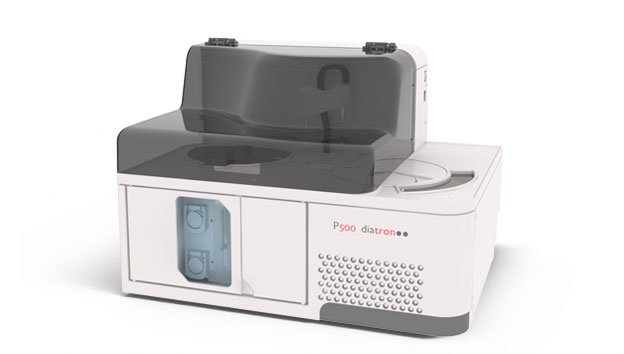
The Pictus 500